Key Categories
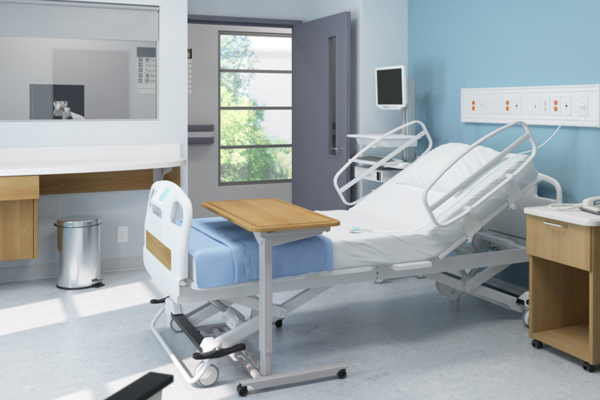
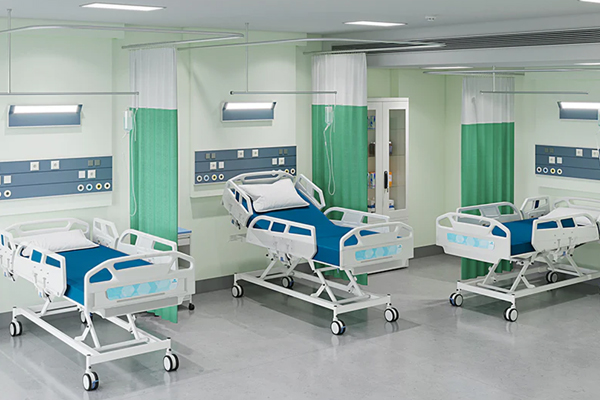
- Patient Care: Includes adjustable hospital beds (ICU, bariatric,
pediatric), overbed tables, and pressure-relieving recliners.
- Clinical Support: Includes examination tables, surgical stools, and
specialized treatment chairs (e.g., dental or dialysis chairs).
- Mobility & Transport: Features such as wheelchairs, stretchers,
and mobile medical carts (crash carts, medication trolleys).
- Storage & Organization: Antimicrobial bedside lockers, stainless
steel cabinetry, and nursing workstations.
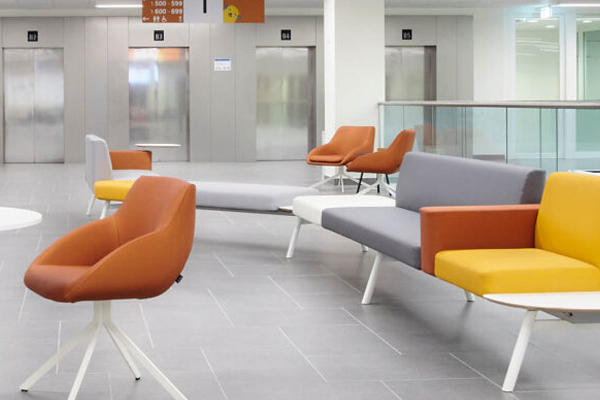
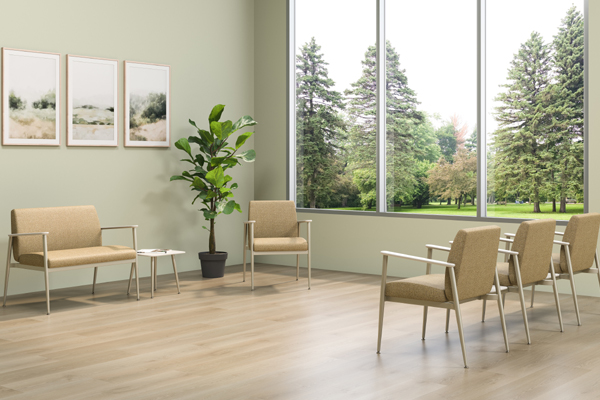
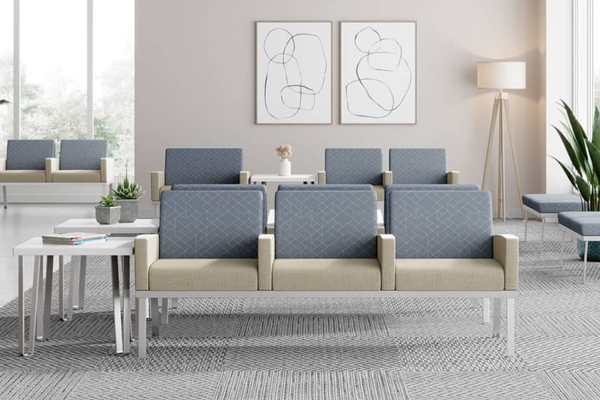
- Public Areas: Easy-to-clean waiting room seating and ergonomic
reception desks designed for high-traffic use.
Essential Characteristics
To meet the rigorous demands of a medical setting, healthcare furniture must adhere to three main pillars of design :
1. Infection Control
Surfaces are typically non-porous (like high-grade vinyl, laminate, or stainless steel) to prevent bacteria from soaking into the material. Designs often feature seamless construction and "wipe-out" gaps to eliminate crevices where germs can hide.
2. Durability & Safety
Healthcare furniture must withstand 24/7 use and frequent exposure to harsh chemical disinfectants. It is built to high weight-bearing standards (ANSI/BIFMA) and often includes safety features like lockable casters, anti-tip mechanisms, and fire-retardant materials.
3. Ergonomics & Comfort
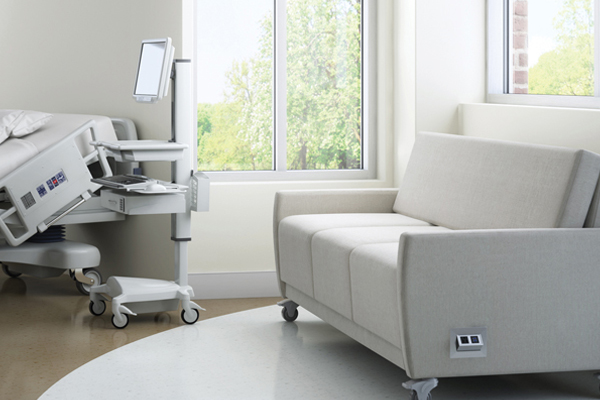
For patients, this means adjustable positioning to aid recovery and prevent bedsores. For staff, it means height-adjustable desks and mobile equipment that reduce the risk of musculoskeletal injuries during long shifts.